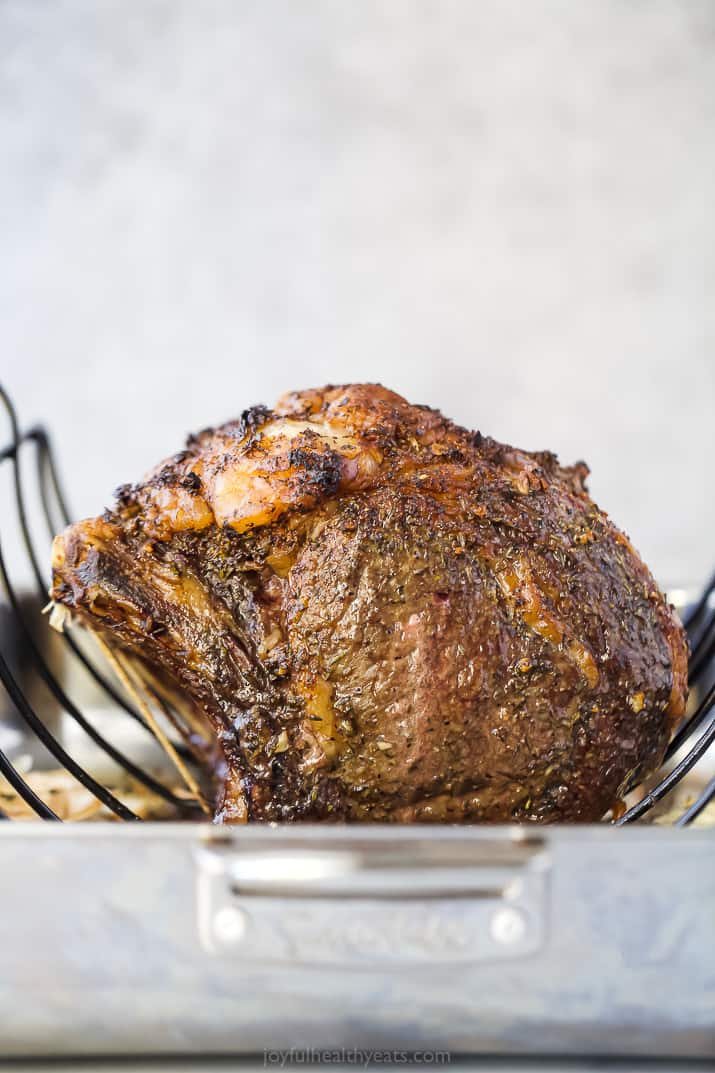
Imagine a holiday centerpiece so magnificent, so utterly delicious, it rivals any fine-dining experience. We're talking about a show-stopping garlic herb prime rib roast with an irresistible golden crust and a melt-in-your-mouth, juicy interior. For many, the thought of preparing such a masterpiece at home can be daunting, but what if we told you the secret to achieving restaurant-quality perfection is far simpler than you think? This isn't just a recipe; it's your guide to unlocking the full potential of a prime rib, transforming a raw cut of beef into an unforgettable culinary triumph.
The Myth of Intimidation: Mastering Your Garlic Herb Prime Rib Roast
The prime rib, also known as a standing rib roast, often carries a reputation for being reserved for professional chefs or seasoned home cooks with years of experience. Visions of overcooked, dry meat or a lack of that coveted crust can deter even adventurous cooks. However, this perception couldn't be further from the truth. The key to a sensational garlic herb prime rib roast lies not in complicated techniques, but in understanding a few fundamental principles that guarantee a tender, flavorful, and beautifully browned result every time. By adopting a high-heat searing followed by a controlled lower-temperature roast, we can achieve that desirable outer crispness while preserving the succulent juiciness within, all without the arduous traditional methods.
This approach simplifies the process, making it accessible for first-timers and a reliable go-to for holiday traditions. Forget the hours of fuss; with the right method, a spectacular roast is within easy reach, ready to impress your family and friends and become the undisputed star of any celebration. It’s about leveraging the power of fresh ingredients and smart cooking techniques to create a dish that looks and tastes like pure luxury.
Crafting the Perfect Golden Crust: Ingredients That Matter
The foundation of an exceptional garlic herb prime rib roast begins with selecting superior ingredients and understanding how each contributes to the final masterpiece. The glorious golden crust and the rich, savory flavor are built layer by layer, starting with the star of the show and continuing with its aromatic companions.
The Star: Selecting Your Standing Rib Roast
Your journey to a restaurant-quality prime rib starts at the butcher's counter. A juicy & tender garlic herb prime rib roast hinges on the cut itself.
- Quality Grade: Look for "Prime" or "Choice" grade beef. These grades indicate a higher degree of marbling, the intramuscular fat that renders during cooking, infusing the meat with incredible flavor and moisture.
- Bone-In vs. Boneless: A bone-in standing rib roast is often preferred for its flavor benefits. The bones act as a natural rack, protecting the meat from the heat of the pan and contributing to moisture retention. They also impart a deeper, richer flavor to the roast. While boneless is easier to carve, bone-in often yields a more flavorful and tender result.
- Size: A good rule of thumb is to calculate approximately one pound per person for a bone-in roast, accounting for the weight of the bones.
The Flavor Builders: Garlic, Herbs, and Butter
These are the core components of the aromatic rub that will define your roast's signature taste and help forge that coveted golden crust.
- Fresh Minced Garlic: This is non-negotiable. Pre-minced garlic in a jar simply doesn't compare to the pungent, fresh aroma and deep savory notes that freshly minced cloves provide. Garlic infuses every bite with an irresistible warmth and complexity.
- Aromatic Fresh Herbs: A vibrant mix of fresh herbs is crucial. Rosemary, thyme, oregano, and parsley are classic choices for a reason. Rosemary offers a piney, peppery note; thyme contributes an earthy, subtle sweetness; oregano adds a robust, slightly peppery flavor; and fresh parsley brightens the profile. Dried herbs can be a substitute in a pinch, but fresh herbs will provide a more intense, aromatic bouquet and vibrant color that contributes to the overall appeal.
- Butter or Olive Oil: Melted butter is often favored for its rich flavor and ability to promote browning, leading to that beautiful golden crust. It also acts as an excellent vehicle, helping the minced garlic and fresh herbs adhere evenly to the surface of the roast, ensuring every inch is coated in flavor. Olive oil can also be used for a slightly lighter touch, but butter brings an undeniable richness.
The Supporting Cast: Salt and Pepper
Never underestimate the power of basic seasonings. Coarse kosher salt and freshly cracked black pepper are essential. They don't just add flavor; salt, in particular, helps to draw out moisture and then reabsorb it, leading to a more tender and juicy roast. Be generous, as a large cut of meat needs ample seasoning to penetrate beyond the surface.
The "Secret Sauce": A Step-by-Step Guide to a Flawless Garlic Herb Prime Rib Roast
Achieving that perfectly cooked, juicy prime rib with a spectacular golden crust is a journey of calculated steps, not guesswork. This method streamlines the process, ensuring success even for those new to roasting this magnificent cut.
Preparation is Key: Room Temperature and Oven Preheat
Two crucial steps often overlooked are vital for even cooking and crust development:
- Bring to Room Temperature: At least 2-3 hours before roasting, remove your prime rib from the refrigerator and let it sit at room temperature. A cold roast will cook unevenly, resulting in overcooked edges and a raw center. Bringing it to room temperature ensures the heat penetrates more consistently, leading to a perfectly tender interior from edge to edge.
- Preheat the Oven to 450°F (230°C): This high initial heat is the secret to that coveted golden crust. Ensure your oven preheats for a full 30 minutes (or even longer) to reach and stabilize at this high temperature. A truly hot oven is essential for searing the exterior quickly and effectively.
Mixing Your Aromatic Garlic Herb Butter
While your oven preheats and the roast comes to temperature, prepare your flavor-packed rub. In a small bowl, combine your melted butter (or olive oil), finely minced fresh garlic, chopped fresh herbs (rosemary, thyme, oregano, parsley), generous amounts of kosher salt, and freshly ground black pepper. Mix thoroughly until you have a fragrant, spreadable paste. This mixture is your flavor powerhouse.
Coating for Glory: Applying the Flavorful Rub
Place your prime rib, bone-side down, in a sturdy cast-iron skillet or a heavy-duty roasting pan. The bones act as a natural rack, keeping the meat slightly elevated. Pour the garlic herb butter mixture over the roast. Using your hands, massage the mixture evenly over the entire surface of the meat. Don't be shy; ensure every nook and cranny is coated. This not only imparts incredible flavor but also aids in forming that gorgeous golden crust.
The Roasting Revelation: High Heat to Low Heat Method
This two-stage roasting process is what sets this method apart:
- Initial Sear: Place the coated prime rib into your preheated 450°F (230°C) oven. Roast for 30 minutes. This intense heat rapidly sears the exterior, creating a beautiful, deep golden-brown crust that locks in the juices.
- Lower Temperature Roast: After 30 minutes, reduce the oven temperature to 375°F (190°C). At this point, you can loosely cover the roast with foil to prevent excessive browning on the outside while the inside continues to cook. Continue roasting, using a reliable meat thermometer inserted into the thickest part of the meat (avoiding bone) to monitor the internal temperature. For a rare to medium-rare finish, aim to pull the roast from the oven when it reaches an internal temperature of 110-115°F (43-46°C). Remember, the internal temperature will continue to rise during resting.
The Critical Rest: Don't Skip This Step!
Once your prime rib reaches your desired pull temperature, remove it from the oven and transfer it to a cutting board. Tent it loosely with foil and let it rest for at least 20-30 minutes, or even longer for larger roasts. This resting period is absolutely crucial. During roasting, the juices in the meat are pushed towards the center by the heat. Resting allows these juices to redistribute throughout the roast, resulting in incredibly tender and succulent meat when carved. Skipping this step will result in juices running out onto your cutting board instead of staying in your meat.
Beyond the Roast: Serving Suggestions and Perfect Pairings
A magnificent garlic herb prime rib roast deserves equally impressive accompaniments. Classic pairings often include a rich au jus made from the pan drippings, and a tangy, creamy horseradish sauce to complement the robust flavor of the beef. For a quicker approach to achieving a succulent prime rib, you might also find insights in Easy Garlic Herb Prime Rib: Juicy Holiday Roast in Under an Hour. Side dishes like garlic mashed potatoes, roasted asparagus or Brussels sprouts, and Yorkshire pudding are traditional and always a hit. The beauty of this roast is its versatility; it pairs wonderfully with a wide array of seasonal vegetables and starches, making it the perfect centerpiece for any holiday feast or special occasion.
Carve against the grain into thick slices, ensuring each plate receives a portion of that incredible golden crust. Watch as your guests marvel at the juicy, perfectly cooked interior and savor every bite.
Conclusion
Preparing a restaurant-quality garlic herb prime rib roast is no longer an intimidating endeavor but an achievable culinary delight. By focusing on quality ingredients, understanding the power of a high-heat sear followed by a gentle roast, and respecting the crucial resting period, you can consistently deliver a masterpiece. The secret to that golden crust and tender, juicy interior is now yours. So go ahead, embrace the joy of creating this magnificent dish, and prepare to impress everyone at your table with a prime rib that's not just a meal, but a memory in the making.
